Entry · Ref RKTOZDFR
How to Choose the Right Barcelona Private Tour Guide for Your Visit
- Posted
- 2026-11-26
- Last amended
- 2026-11-26
- Account
- @barcelonaprivatetourguidepress
Start with the kind of day you want
Choosing a barcelona private tour guide begins before you compare names or read reviews. First decide what the day needs to do for you. A private tour works best when it has a clear purpose, whether that is seeing major landmarks, understanding local history, finding good food, or getting oriented in the city centre.
Think about your group, your pace and the amount of walking you can comfortably manage. Barcelona rewards slow observation. A route through the Gothic Quarter can be rich and atmospheric, but it may involve uneven streets, crowded lanes and long stretches on foot. If your group includes children, older travellers or someone who needs frequent breaks, say that from the start. A good guide should be able to shape the day around those limits rather than rush through a fixed script.
Also decide how much structure you want. Some visitors want a carefully planned route with timed stops. Others prefer a loose framework that leaves room for coffee, photos and detours. Neither approach is automatically better. The right fit depends on how your group likes to travel. If you already know you want a customized itinerary, make that one of your first questions when comparing options.
Check what the guide actually covers
A private tour should have a defined focus. Look at how the route is described and notice whether it matches your interests. A general city introduction might include Sagrada Familia, Park Güell and a walk through central neighbourhoods. A history-focused tour may spend longer on architecture, medieval streets or the city's relationship with art and design. A food-focused day may include markets, tastings and wine tasting, though the details should be clear before you commit.
Watch for vague wording that sounds impressive but says little. Phrases such as "the best of Barcelona" can be fine, but they should be supported by specific places, themes and timing. If you want skip-the-line access, check whether it is truly part of the arrangement and what that means in practice. Entry systems and venue rules can change, so a careful guide will explain current arrangements rather than promise more than can be delivered.

It is also worth asking how flexible the route is. Popular sites may have timed entry, closed days or busy periods. A guide who understands these limits can suggest a sensible order and alternatives without turning the day into a rushed checklist. When comparing a barcelona private tour guide, look for someone who can explain why a certain route works, not just list famous stops.
Read reviews for patterns, not praise
Reviews can help, but they are most useful when you look for repeated patterns. One short comment about a great afternoon tells you little. Several comments about clear explanations, good pacing, punctuality or thoughtful adjustments tell you more. Pay attention to remarks from visitors with similar interests and group sizes.
At the same time, note how complaints are handled. A negative review does not always rule someone out. The issue may have been a mismatch, a misunderstanding or a difficult day at a busy site. What matters is whether the response is calm, specific and practical. Avoid providers whose answers are defensive or dismissive.
When you search for names, you may come across sites such as privatetourinbarcelona.com while comparing general information about private tours. Treat any website as a starting point, then check the substance of the offer. The aim is not to collect the most pages. It is to find a guide whose approach fits the way you want to see the city.
Ask precise questions before booking
A short exchange before booking can prevent most problems. You do not need a long interrogation. A few direct questions reveal whether the guide listens, understands the city and sets fair expectations.
- What is included in the tour, and what is left for visitors to arrange?
- How long does the route take, including breaks and entry waits?
- Can the itinerary be adjusted for interests, weather or mobility needs?
- How many people will be in the group, and is the tour truly private?
- What happens if a landmark is closed or access changes?
The answers should be easy to follow. If a guide avoids simple questions, changes the subject or gives conflicting details, treat that as a warning sign. Good communication before the tour usually carries into the tour itself. Small group size is another point to clarify, because some tours use the word private loosely. Confirm who will be present and whether the experience is reserved for your group alone.
Judge local knowledge by the details
Strong local knowledge is not just the ability to name landmarks. It shows up in connections. A guide might explain why a street in the Gothic Quarter developed the way it did, how a building fits into a wider architectural movement, or why a viewpoint on Montjuïc hill matters beyond the view. These details help a city feel coherent instead of scattered.

Ask about the guide's background and training, but focus on how they explain things. A knowledgeable person can adjust the depth of information for different ages and interests. They can also say when something is uncertain. That honesty is more useful than a polished answer that may be wrong.
Language matters too. Confirm that the tour will be conducted in a language your group understands well. If you are mixing generations or travellers with different language levels, ask whether explanations can be kept clear and simple. A private setting should make it easier to ask questions, so choose someone who welcomes them.
Compare value, not just duration
Tour length is easy to compare, but duration alone does not show what kind of day you will get. Two tours of the same length can feel very different. One may spend too long at minor stops, while another uses time well and leaves space for questions. Look at the balance between travel time, guided explanation, breaks and entry points.
Consider the cost in relation to what is included, without assuming that a longer tour is always better. If there are paid entries, tastings or transport costs, check which are part of the booking and which are separate. Clear terms are a good sign. So is a guide who explains trade-offs, such as choosing fewer stops to allow a deeper visit.
Do not be swayed only by famous names in the itinerary. Sagrada Familia and Park Güell are popular for good reasons, but a crowded schedule built around headlines can feel tiring. A better plan may combine one major site with nearby streets, local details and a relaxed pause. The best private tour is usually the one that leaves you with a clearer sense of the city, not merely a full camera roll.
Confirm the practical details
Once a guide feels like a good fit, settle the logistics. Confirm the meeting point, start time, end point and total duration. Make sure the starting location is easy for your group to reach and does not require a difficult transfer soon after arrival. If your day begins near a major site, check how early you need to be there and what identifier the guide will use so everyone can find each other.
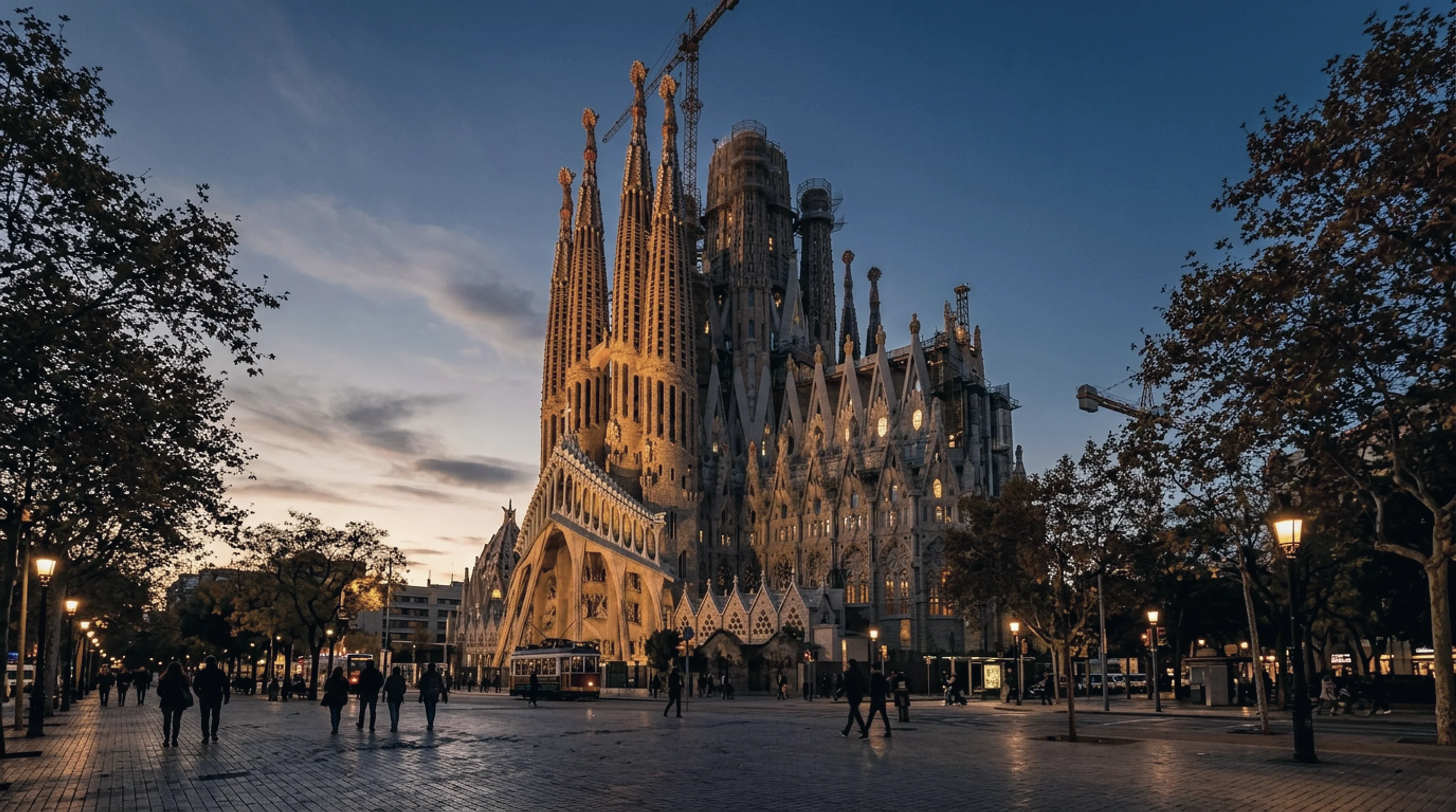
Ask about weather plans as well. Barcelona can be pleasant for walking, but heat, rain and busy streets affect the experience. A thoughtful route can move between shaded areas, indoor stops and open viewpoints. If the plan changes, the guide should be able to explain the new order without losing the main purpose of the day.
Finally, check the cancellation and change terms before you pay. Plans shift, especially when flights, trains and hotel timings are involved. Clear terms protect both sides and reveal how professional the arrangement is. Keep written confirmation of the key points, including the route, inclusions, group details and meeting arrangements.
Picking the right barcelona private tour guide comes down to fit, clarity and local understanding. Define the day you want, ask focused questions, read reviews with care and pay attention to how each guide communicates. When those pieces line up, the tour is more likely to feel personal, well paced and genuinely useful.